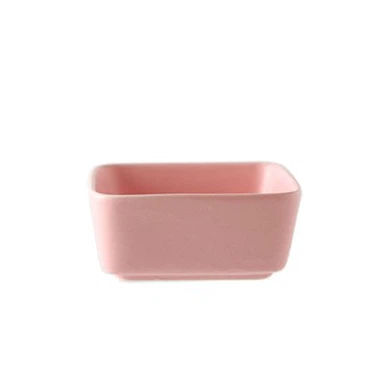
The Production Process Of Ceramic Tableware
Mar 25, 2023
1. Raw material preparation: The first step in the production process of ceramic tableware is to prepare the raw materials. Ceramic tableware is made of clay, feldspar, kaolin, and other minerals. The raw materials are carefully selected and processed to remove impurities and to ensure uniformity in composition.
2. Mixing: Once the raw materials are prepared, they are mixed thoroughly in a large drum mixer. Water is added to create a slurry that can be easily molded.
3. Shaping: The mixed slurry is then poured into molds, which give the tableware its final shape. The molds can be made of plaster, metal, or other materials. The slurry is left to dry in the mold for a certain period of time, depending on the size and shape of the item.
4. Trimming and Finishing: After the ceramic tableware has dried, it is removed from the molds and trimmed to remove any excess material. The edges are smoothed and refined using sandpaper or other tools. Any imperfections are fixed at this stage.
5. Firing: The shaped and finished ceramic tableware is then fired in a kiln to achieve its final hardness and durability. The firing process can take several hours or even days, depending on the size and thickness of the items. The kiln temperature reaches a high degree, and the ceramic tableware must be cooled slowly to avoid cracking or breaking.
6. Glazing: After firing, the ceramic tableware is glazed to give it a smooth and glossy surface. The glaze adds an extra layer of protection against scratches, stains, and other damage. The glaze can be applied by spraying, dipping, or brushing on the surface.
7. Refiring: After glazing, the ceramic tableware must be fired again to melt the glaze and create a smooth, even finish. The kiln temperature is carefully controlled to ensure that the glaze is properly melted but the ceramic material is not damaged.
8. Inspection and Quality Control: After the refiring, the ceramic tableware is inspected thoroughly for any defects, cracks, or roughness. It is also tested for durability, strength, and resistance to heat and stains. Only items that pass the quality control tests are packaged and shipped to customers.